
Google Pixel 10 vs OPPO Reno 14 Pro
Compare Google Pixel 10 and OPPO Reno 14 Pro side by side — see how they stack up on price, camera, battery, performance, display and full specifications, with the winner in each key spec highlighted below.
📱 Compare with suggested mobiles


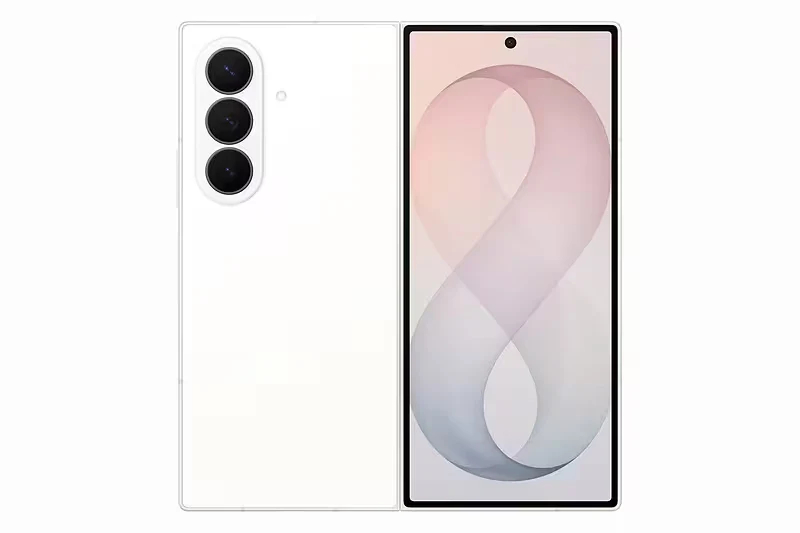
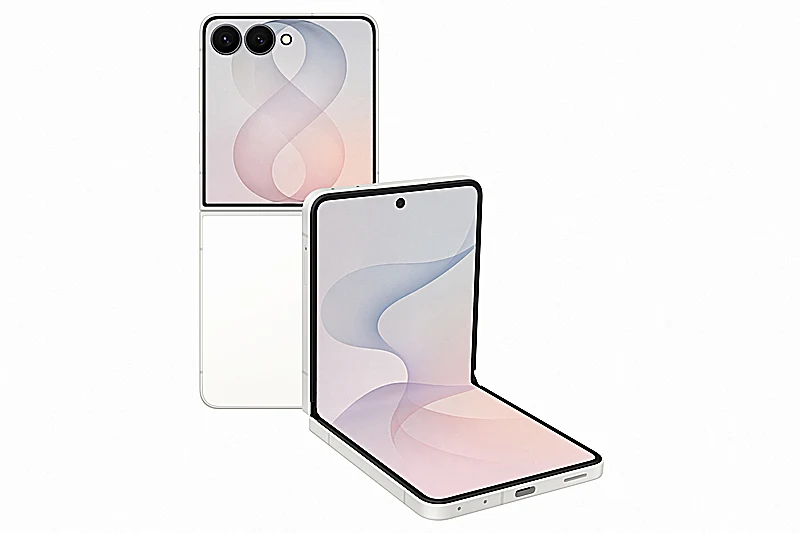


🏆 The Verdict — Category Winners
Quick Specs
 Google Pixel 10 |
 OPPO Reno 14 Pro |
|
|---|---|---|
| Price & Best Deals |
₹59,999
|
₹44,999
|
| Display | 6.3″ / 120Hz | 6.83″ / 120Hz |
| Max RAM | 12GB / 256GB | 12GB / 512GB |
| Main Camera | 48.0 MP | 50.0 MP |
| Selfie Camera | 10.5 MP | 50.0 MP |
| Pixel Density | 422 ppi | 450 ppi |
| Battery | 4970 mAh | 6200 mAh |
| Fast Charging | 30W | 80W |
| Charging Time (20-100%) | 65 min | 45 min |
| Fabrication | 3 nm | 4 nm |
| AnTuTu Score | 1,150,000 | 1,625,070 |
| Battery Life (PCMark) | 14.5 hrs | 15.6 hrs |
| Peak Brightness | 3000 nits | 1200 nits |
| Spec Score | 84.8/100 | 89.4/100 |
| 5G | ✓ Yes | ✓ Yes |
| NFC | ✓ Yes | ✓ Yes |
| Stereo Speakers | ✓ Yes | ✓ Yes |
| IR Blaster | ✗ No | ✓ Yes |
| Fingerprint | Under Display | Under Display |
| SIM | Dual Esim | Dual Esim |
| USB | Type-C 3.2 | Type-C 2.0 |
✅ Highlighted cells show the better value for that spec (bigger battery, more MP, higher RAM, lower price, lower nm, higher AnTuTu, faster charging).
Expert Review
|
Google Pixel 10 84.8
Spec Score / 100
★ 4.2/5
Overall Rating
Design
4.3/5
Display
4.7/5
Camera
4.1/5
Performance
4.2/5
Battery
3.9/5
Software
4.8/5
|
OPPO Reno 14 Pro 89.4
Spec Score / 100
★ 4.5/5
Overall Rating
Design
4.6/5
Display
4.4/5
Camera
4.4/5
Performance
4.6/5
Battery
4.8/5
Software
3.9/5
|
| Specification |
Google Pixel 10 ₹59,999
|
OPPO Reno 14 Pro ₹44,999
|
|---|---|---|
| Network | ||
| Technology | GSM / HSPA / LTE / 5G | GSM / CDMA / HSPA / LTE / 5G |
| 2G bands | GSM 850 / 900 / 1800 / 1900 | GSM 850 / 900 / 1800 / 1900 CDMA 800 |
| 3G bands | HSDPA 800 / 850 / 900 / 1700(AWS) / 1900 / 2100 | HSDPA 800 / 850 / 900 / 1700(AWS) / 1900 / 2100 |
| 4G bands | 1, 2, 3, 4, 5, 7, 8, 12, 13, 14, 17, 18, 19, 20, 21, 25, 26, 29, 30, 30, 32, 38, 39, 40 , 41, 42, 48, 66, 71, 75 - GK2MP 1, 2, 3, 4, 5, 7, 8, 12, 13, 14, 17, 18, 19, 20, 25, 26, 28, 29, 30, 38, 40, 41, 48, 66, 71 - GLBW0 | 1, 2, 3, 4, 5, 7, 8, 12, 13, 17, 18, 19, 20, 26, 28, 34, 38, 39, 40, 41, 42, 48, 66 |
| 5G bands | 1, 2, 3, 5, 7, 8, 12, 14, 20, 25, 26, 28, 38, 40, 46, 71, 75, 76, 77, 78, 79 SA/NSA/Sub6 - GK2MP 1, 2, 3, 5, 7, 8, 12, 14, 20, 25, 26, 28, 29, 30, 38, 40, 41, 48, 66, 70, 71, 77, 78, 258, 260, 261 SA/NSA/Sub6/mmWave - GLBW0 | 1, 2, 3, 5, 7, 8, 12, 20, 26, 28, 38, 40, 41, 48, 66, 77, 78 SA/NSA |
| Speed | HSPA, LTE (CA), 5G | HSPA, LTE, 5G |
| SIM 1 bands | 5G bands, 4G bands | - |
| SIM 2 bands | 5G bands, 4G bands | - |
| VoLTE | - | Dual 4G VoLTE support |
| VoWiFi (Wi-Fi Calling) | - | Yes |
| Launch | ||
| Announced | 2025, August 20 | 2025, May 15 |
| Status | Available. Released 2025, August 28 | Released 2025, May 23 |
| Body | ||
| Design score | ||
| Dimensions | 152.8 x 72 x 8.6 mm (6.02 x 2.83 x 0.34 in) | 6.43 x 3.03 x 0.30 inch |
| Weight | 204 grams | 201 gram |
| Build | Glass front (Gorilla Glass Victus 2), glass back (Gorilla Glass Victus 2), | Glass front (Gorilla Glass 7i), aluminum frame, glass back |
| SIM | Nano-SIM and eSIM | Nano-SIM + Nano-SIM + eSIM |
| IP rating | IP68 dust/water resistant | IP68/IP69 dust tight and water resistant (high pressure water jets; immersible up to 2m for 30 min) |
| Other Details | aluminum frame | - |
| Display | ||
| Display score | ||
| Type | OLED, 120Hz, HDR10+ | AMOLED, 1B colors, 3840Hz PWM, HDR10+,1200 nits (HBM) |
| Size | 6.3 inches, 94.7 cm2 (~86.1% screen-to-body ratio) | 6.83 inches, 113.3 cm2 |
| Resolution | 1080 x 2424 pixels, 20:9 ratio | 1272 x 2800 pixels |
| Aspect Ratio | - | 20:9 |
| Pixel Density (PPI) | 422 ppi | ~450 ppi density |
| Refresh Rate | 120 Hz | 120 Hz |
| Peak Brightness | 3000 nits | 1200 nits |
| Screen-to-Body Ratio | - | ~90.1% screen-to-body ratio |
| Protection | Corning Gorilla Glass Victus 2 | Corning Gorilla Glass 7i or Crystal Shield Glass |
| Platform | ||
| Performance score | ||
| OS | Android 16, up to 7 major Android upgrades | Android 15, ColorOS 15 |
| Chipset | Google Tensor G5 | Mediatek Dimensity 8450 |
| CPU | Octa-core (1x3.78 GHz Cortex-X4 & 5x3.05 GHz Cortex-A725 & 2x2.25 GHz Cortex-A520) | Octa-core (1x3.25 GHz Cortex-A725 & 3x3.0 GHz Cortex-A725 & 4x2.1 GHz Cortex-A725) |
| GPU | PowerVR DXT-48-1536 | Mali-G720 MC7 |
| Architecture | 64-bit | 64-bit |
| Fabrication | 3 nm | 4 nm |
| Memory | ||
| Card slot | No | No |
| Internal | 128GB 12GB RAM, 256GB 12GB RAM | 256GB 12GB RAM 512GB 12GB RAM 512GB 16GB RAM 1TB 16GB RAM |
| RAM Type | LPDDR5X | LPDDR5X |
| Storage Type | UFS 4.0 | UFS 3.1 |
| Main Camera | ||
| Camera score | ||
| Main | 48 MP, f/1.7, 25mm (wide), 1/2.0", 0.8µm, dual pixel PDAF, OIS 10.8 MP, f/3.1, 112mm (telephoto), 1/3.2", dual pixel PDAF, OIS, 5x optical zoom 13 MP, f/2.2, 120˚ (ultrawide), 1/3.1", PDAF | 50 MP, f/1.8, 24mm (wide), 1/1.55", PDAF, OIS 50 MP, f/2.8, 80mm (periscope telephoto), PDAF, OIS, 3.5x optical zoom 50 MP, AF |
| Ultrawide | - | f/2.0, 16mm, 116˚ (ultrawide) |
| Flash | - | Yes, LED Flash |
| Features | Multi-zone Laser AF, LED flash, Pixel Shift, Ultra-HDR, panorama, Best Take | Color spectrum sensor, LED flash, HDR, panorama |
| Video | 4K@24/30/60fps, 1080p@24/30/60/120/240fps; gyro-EIS, OIS, 10-bit HDR | 4K@30/60fps, 1080p@30/60/120/240fps, gyro-EIS, HDR |
| Selfie Camera | ||
| Camera score | ||
| Single | 11 MP, f/2.2 | 50 MP, f/2.0, 21mm (wide), AF |
| Flash | - | Yes, Screen flash |
| Features | HDR, panorama | Panorama, HDR |
| Video | 4K@30fps | 4K@30/60fps, 1080p@30/60fps, gyro-EIS, HDR |
| Sound | ||
| Loudspeaker | Yes, with stereo speakers | Yes, with stereo speakers |
| 3.5mm jack | No | No |
| Comms | ||
| WLAN | Wi-Fi 802.11 a/b/g/n/ac/6e, dual-band | Wi-Fi 802.11 a/b/g/n/ac/6e, dual-band |
| Wi-Fi Hotspot | - | Mobile Hotspot |
| Bluetooth | 6.0, A2DP, LE, aptX HD | 5.4, A2DP, LE, aptX HD, LHDC 5 |
| Positioning | GPS (L1+L5), GLONASS, GALILEO, BDS, QZSS, NavIC | GPS, GLONASS, GALILEO, BDS, QZSS |
| NFC | Yes | Yes |
| Infrared port | No | Yes |
| Radio | No | No |
| USB | USB Type-C 3.2 | USB Type-C 2.0 |
| USB OTG | - | Yes |
| Features | ||
| Sensors | Fingerprint (under display, ultrasonic), accelerometer, gyro, proximity, compass, barometer | accelerometer, gyro, proximity, compass |
| Fingerprint Sensor | Yes | under display, optical |
| Other Details | Satellite SOS service | - |
| Battery | ||
| Battery score | ||
| Type | Li-Ion | Li-ion |
| Capacity | 4970 mAh | 6200 mAh |
| Removable | No | No |
| Charging | Yes, 30W Fast Charging | 80W wired, 13.5W PD, 33W UFCS, 33W PPS |
| Charging Time (20-100%) | 65 minutes (30W wired, estimated) | 45 minutes |
| Wireless Charging | Yes | 50W |
| Reverse Charging | - | Reverse wired |
| Charger in Box | - | Yes |
| Misc | ||
| Colors | Indigo, Frost, Lemongrass, Obsidian | Titanium Gray, Brilliant White (Opal White), Purple |
| Models | GK2MP, GLBW0, GL066 | PKZ110, CPH2739 |
| Price | 66600 | About 45,000 INR / 530 EUR |
| SAR | 1.18 W/kg (head) 0.99 W/kg (body) | 1.16 W/kg - head 1.14 W/kg - body |
| SAR EU | 0.99 W/kg (head) 1.39 W/kg (body) | - |
| Tests | ||
| Performance | AnTuTu: 1,150,000 (v10) | - |
| Display | 2030 nits max brightness | - |
| Loudspeaker | -25.7 LUFS | - |
| Bootup Time | ~17 seconds (cold boot) | - |
| AnTuTu Score | 1,150,000 (AnTuTu v10) | - |
| Battery Life (PCMark) | 14.5 hours (PCMark Battery Life 3.0) | 1625070 |
| EU Label | ||
| Energy | Class B | - |
| Battery | 49:23h endurance, 1000 cycles | - |
| Free fall | Class A (270 falls) | - |
| Repairability | Class B | - |
Frequently Asked Questions
OPPO Reno 14 Pro scores highest overall in this comparison, with a spec score of 89.4/100. The spec score weighs performance, display, camera, battery and value together, so treat it as a starting point rather than a verdict — the right phone still depends on which of those you care about most.
OPPO Reno 14 Pro is the most affordable here, starting at ₹44,999. That is ₹15,000 less than the most expensive phone in this comparison.
OPPO Reno 14 Pro has the highest-resolution main camera at 50 MP. Resolution alone does not decide photo quality — sensor size, aperture and image processing matter more — so compare the full camera specs below rather than the megapixel count on its own.
OPPO Reno 14 Pro has the largest battery at 6200 mAh. It charges at up to 80W. Capacity is only part of endurance: chipset efficiency and screen refresh rate affect how long a charge actually lasts.
OPPO Reno 14 Pro is the fastest on paper, topping the AnTuTu benchmark at 1,625,070. Benchmarks measure short bursts, so a phone with better sustained thermals can still feel quicker in long gaming sessions.
Google Pixel 10 has the brightest display at 3000 nits peak, with a 120Hz refresh rate. Brightness matters most for outdoor readability; see the Display section below for panel type and resolution.